
Walk-In Tubs vs. Home Spas: Which Is Better for Your Home?
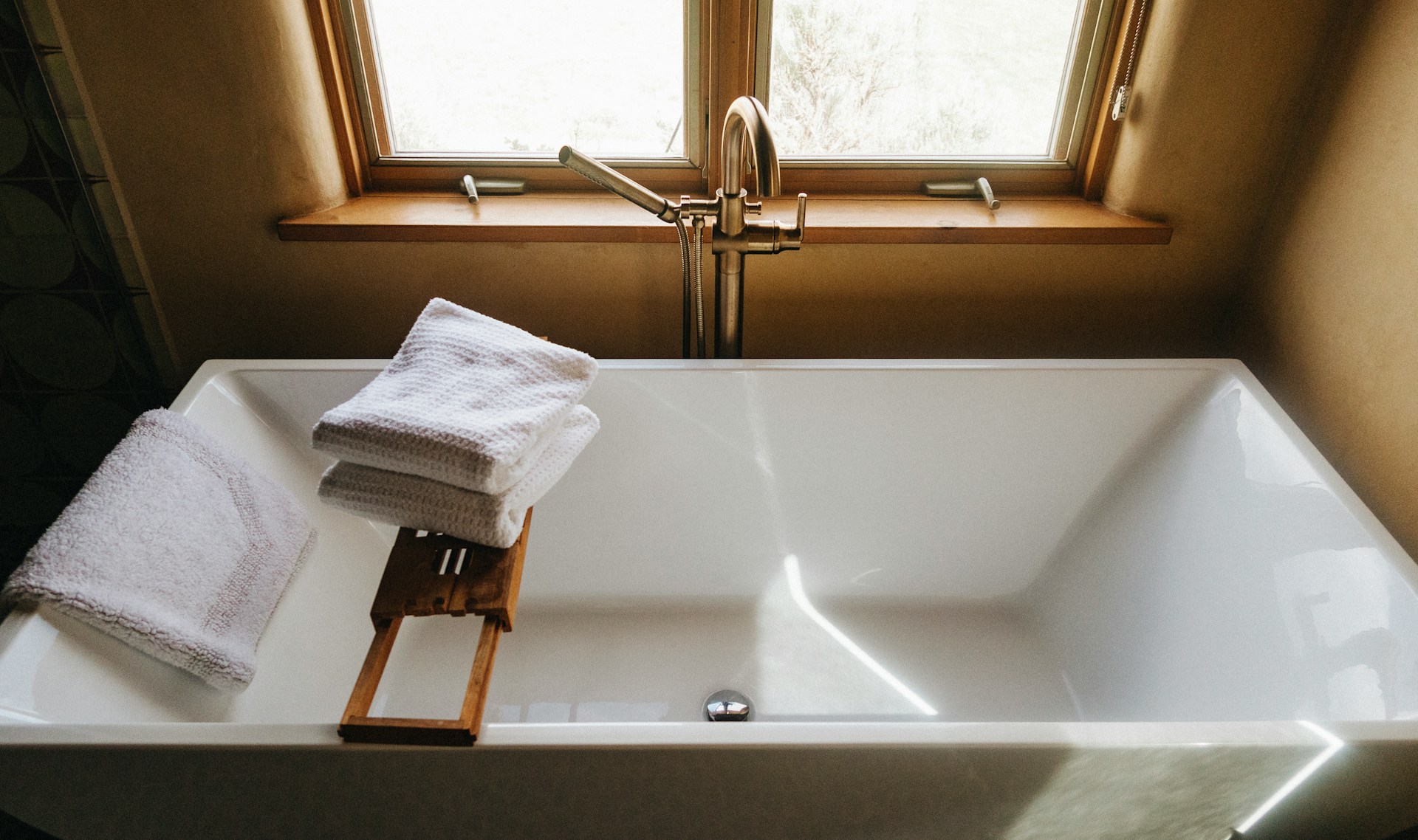
Choosing between a walk-in tub and a full home spa can feel overwhelming, especially when both offer unique benefits for comfort, safety, and relaxation. Homeowners often struggle to decide which option fits their space, lifestyle, and long-term needs. If you read this inspiring guide to home spas, you can learn the difference in installation requirements, therapeutic features, and overall user experience, making it easier to understand what each choice brings to a home. By weighing accessibility, maintenance demands, and budget considerations, you can confidently select the option that enhances your everyday routine. This introduction sets the stage for a detailed comparison to help you make the best decision.
Key Differences: Safety & Accessibility
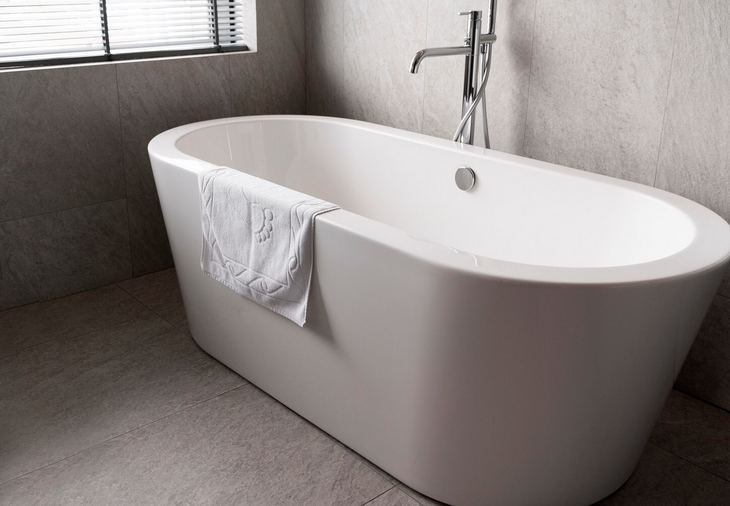
Safety and accessibility are where walk-in tubs shine. Their design considers ease of entry and exit, which is critical for users who worry about slipping or have limited mobility. The seat inside lets you soak comfortably without standing for long, and the door eliminates climbing risk. For those who want therapeutic baths with minimal risk, the walk-in tub excels. Spas, on the other hand, often require stepping over a higher edge, which can pose a challenge for people with mobility concerns. They’re better suited for healthy adults and social users. While safety features like steps and handrails exist, spas are inherently less accessible than walk-in tubs. However, for users who prioritize community or deeper immersion over accessibility, a spa is often the more enjoyable choice.
Maintenance & Cost Differences
Walk-in tubs tend to be simpler to maintain in terms of water volume and chemical balancing because they’re smaller than most spas and drain after each use. This means you won’t need to manage large volumes of water between uses. On the flip side, filling and draining after every session might slightly increase your water bill, depending on your usage. Home spas require more ongoing attention: heating, filtering, water chemistry, and cover maintenance. Because they hold a large volume of water and often run continuously or intermittently, energy costs can be high. You’ll also need to invest time or money into water treatment and regular servicing if you want your spa to stay clean and safe. That said, the social payoff for relaxing or entertaining can make those costs feel worth it.
Installation Considerations
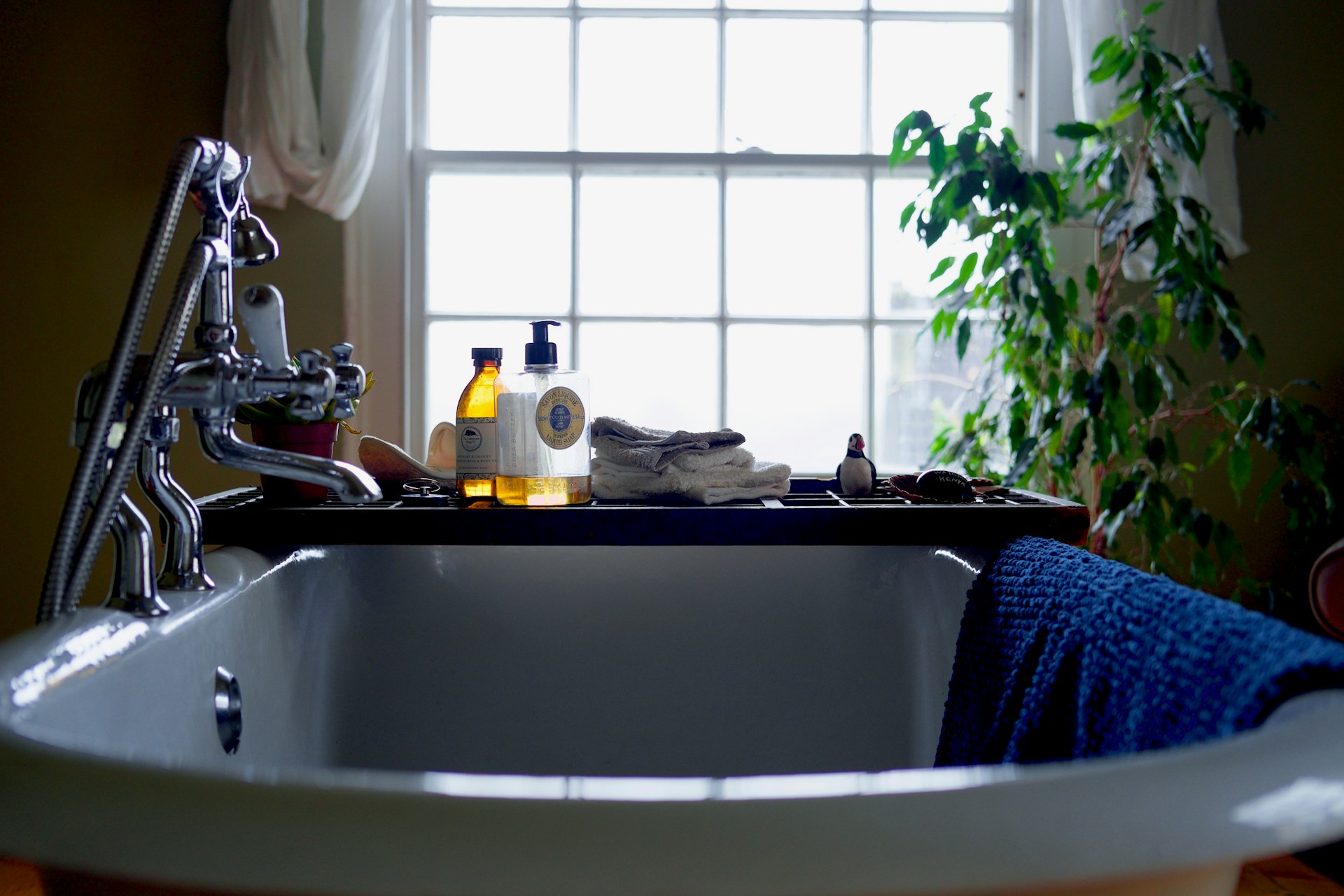
Installing a walk-in tub usually involves plumbing adjustments and ensuring your bathroom floor can support the weight when full. You may need a reinforced floor or a dedicated drain line. Electrical work may also be necessary for jets or heating. Because of its compact size, though, it often fits into conventional bathroom footprints without huge rearrangements. In contrast, a home spa may demand more structural planning, especially if installed outdoors. You’ll need a stable, level base—such as a concrete pad—and proper electrical wiring to handle water heating and filtration. Indoor spa installations also require strong ventilation and possible ceiling reinforcement. The complexity and cost of installation tend to be higher, but the payoff is a luxurious, flexible feature that can serve multiple users.
Choosing between a walk-in tub and a home spa comes down to how you plan to use it. A walk-in tub excels in accessibility, safety, and therapeutic benefits, making it perfect for those who value quiet, immersive relaxation. A home spa, with its capacity for socializing and indulgent features, suits a more communal, leisure-oriented lifestyle. Consider your needs, space, budget, and routine before making a decision. When matched to your lifestyle, either option can transform your home into a true haven of comfort and well-being.

