
Why Structural Assessments Matter Before Major Home Renovations
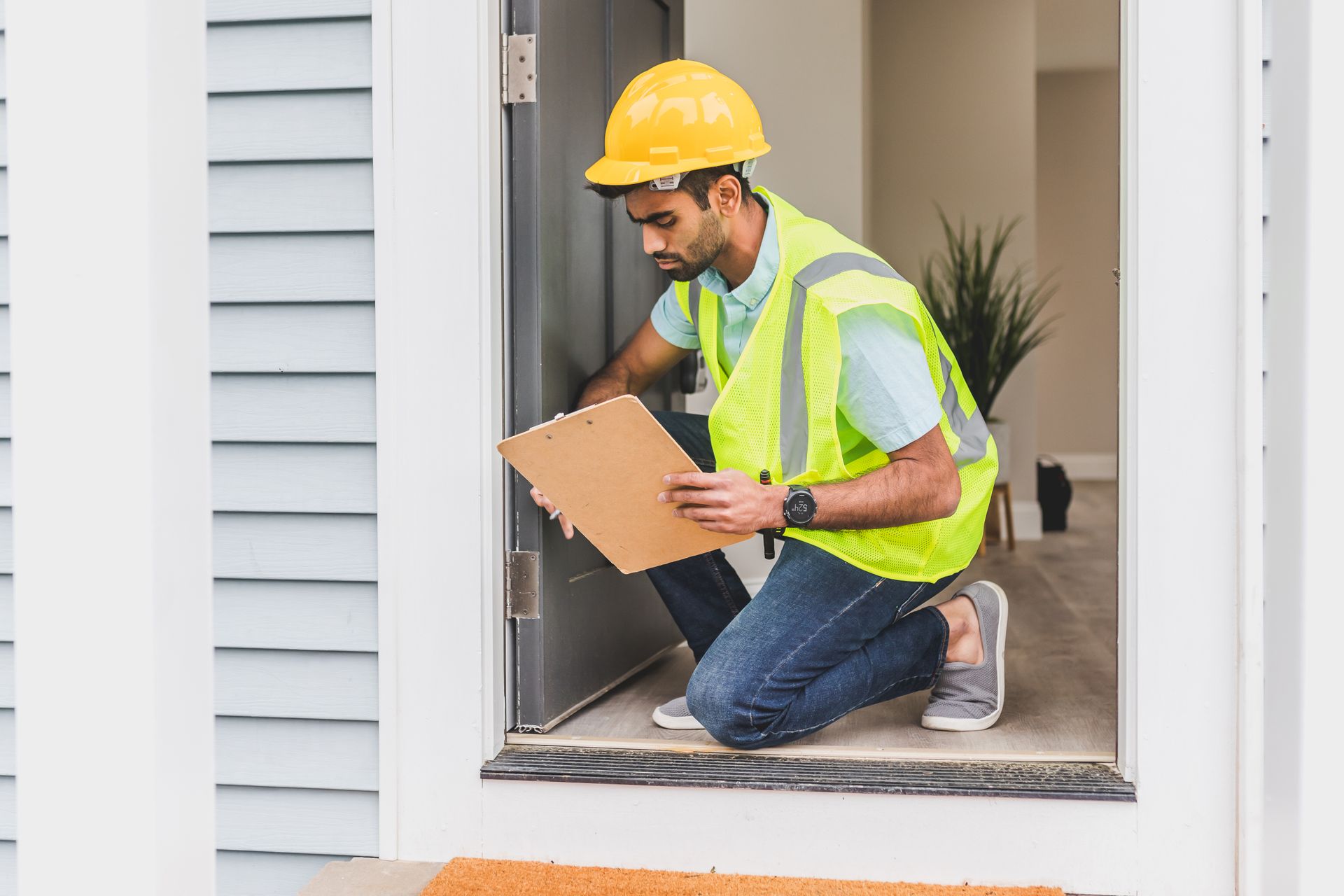
Home renovations often begin with exciting ideas. Homeowners may want to remove walls, expand kitchens, build second-story additions, or create larger open living spaces. While these improvements can dramatically change a home’s appearance and functionality, they also affect the building’s structural system. Beneath every ceiling, wall, and floor is a framework that supports the weight of the house and transfers loads safely to the foundation. Before any major renovation begins, evaluating that framework is essential. A structural assessment examines the condition and capacity of important building components to determine whether they can safely support the planned changes. Understanding why structural assessments from bauprofessor.de matter before major home renovations helps homeowners avoid costly mistakes while protecting the long-term safety and stability of their property.
Identifying Existing Structural Conditions
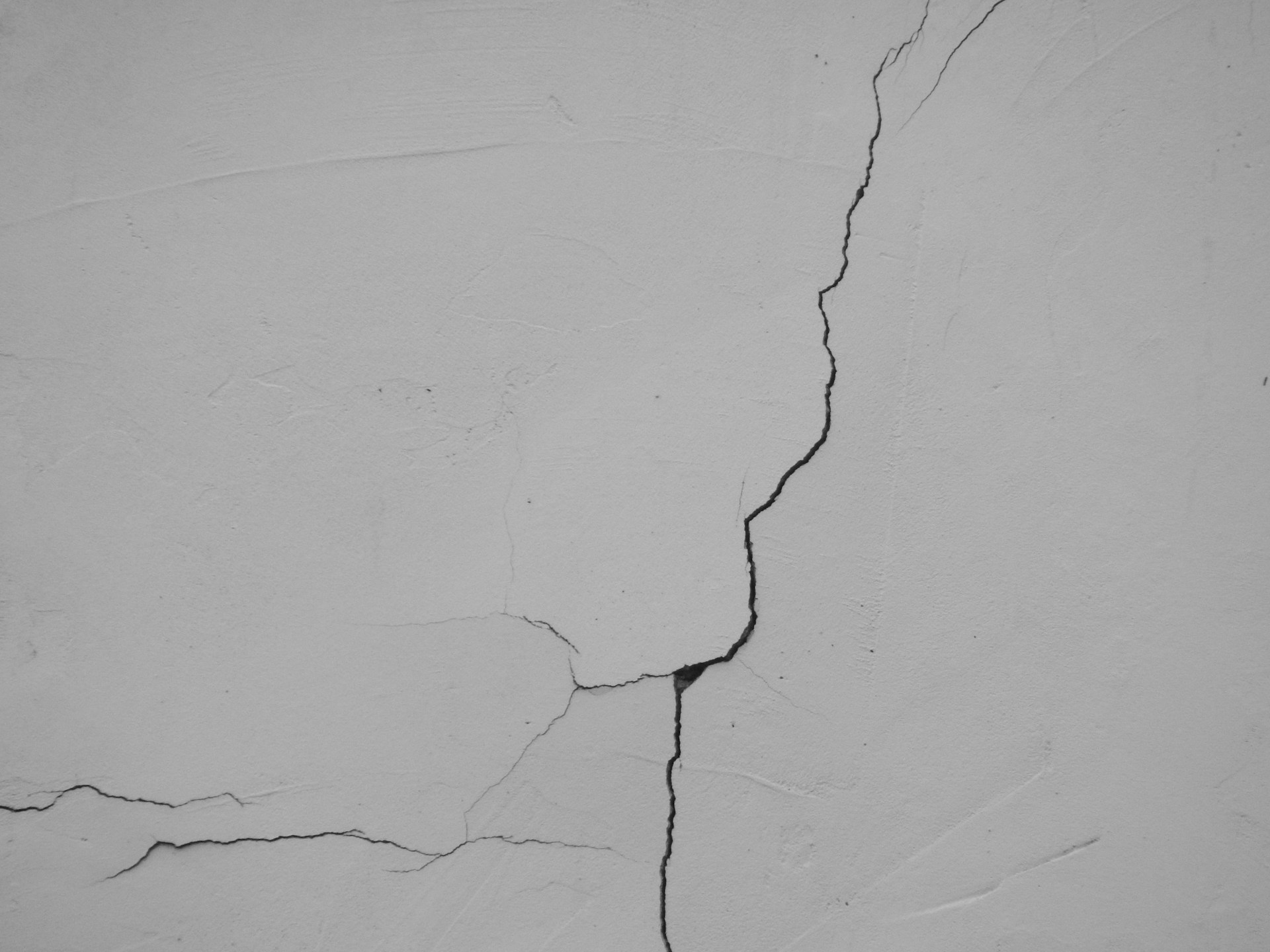
Many structural problems remain hidden during normal daily living. Small cracks, weakened framing, moisture damage, or foundation movement may not become obvious until renovation work begins. A structural assessment helps identify these conditions before construction starts. Engineers or qualified structural professionals inspect foundations, load-bearing walls, beams, floor systems, roof framing, and other critical components. They determine whether the existing structure remains sound or requires reinforcement. Finding problems early allows repairs to become part of the renovation plan instead of unexpected emergencies. This approach reduces delays while helping contractors make informed decisions throughout the project.
Supporting Safe Design Decisions
Many popular renovation projects involve removing interior walls to create larger living spaces. However, some walls carry structural loads that support upper floors or the roof. A structural assessment determines which walls are load-bearing and identifies safe alternatives if removal is planned. Engineers may recommend beams, columns, or other reinforcement systems that safely transfer structural loads after the wall is removed. Similar evaluations apply to room additions, larger windows, expanded door openings, and second-story construction. Every structural modification must maintain the building’s ability to support its weight safely. Professional assessment provides the information needed to make these decisions responsibly.
Protecting Long-Term Building Performance
A successful renovation should improve the home without creating future structural problems. Even small changes can influence how forces move through the building. Structural assessments evaluate how proposed renovations affect load distribution across the house. Additional rooms increase structural weight. Larger openings change how loads travel through walls and beams. Roof modifications may introduce different stress patterns. By understanding these effects before construction begins, professionals can recommend appropriate structural improvements. Proper reinforcement helps maintain long-term building performance while reducing the likelihood of future settlement, cracking, or structural movement.
Preventing Costly Construction Changes
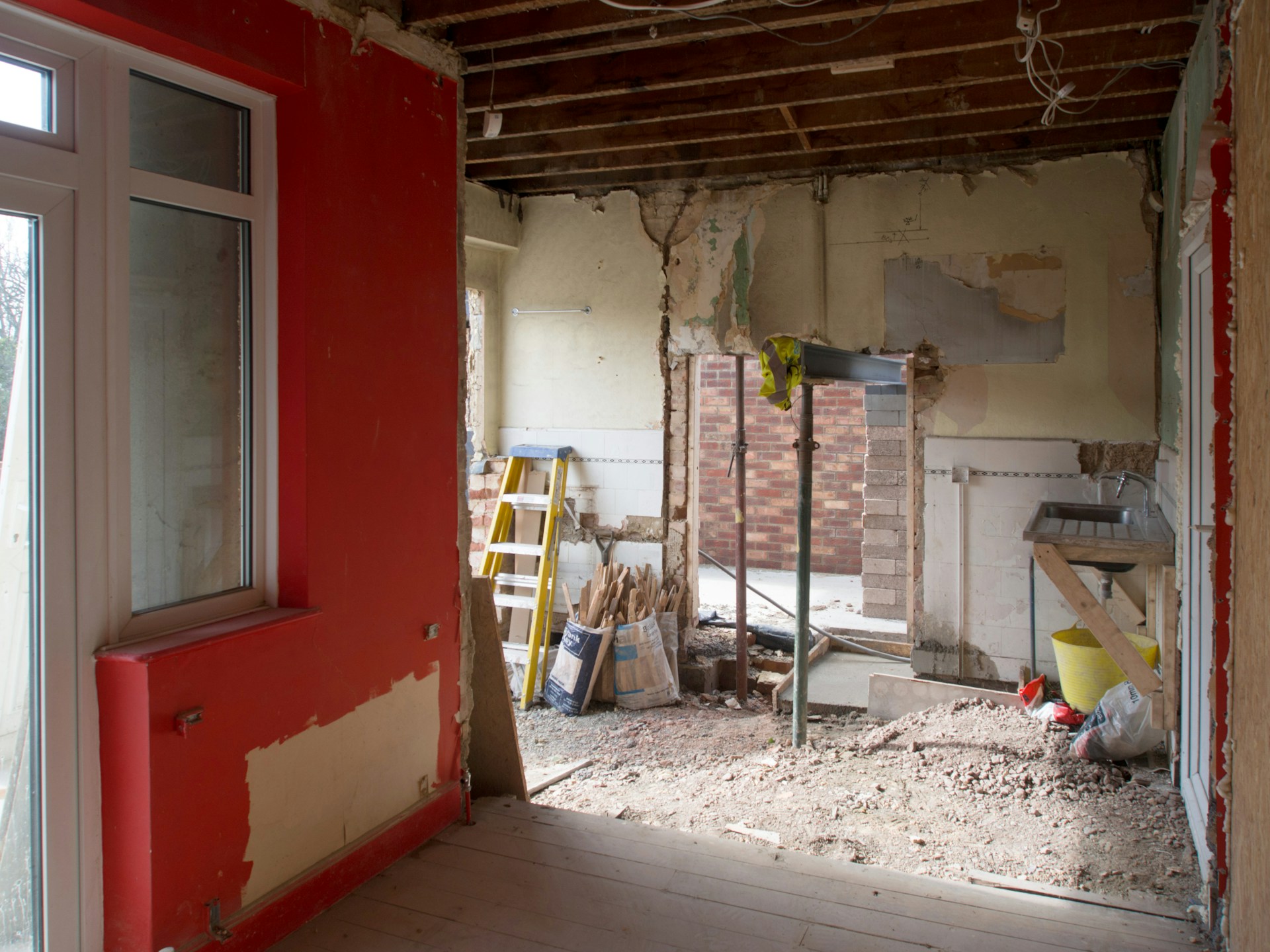
Unexpected structural discoveries during construction often increase renovation costs. If contractors uncover damaged framing or insufficient support after demolition begins, work may stop until new solutions are developed. A structural assessment minimizes these surprises by evaluating the home’s condition before materials are ordered and construction schedules are finalized. Knowing exactly which structural elements require modification allows the project team to prepare accurate plans from the beginning. Careful planning reduces unnecessary rework. Contractors can complete renovations more efficiently because structural requirements have already been identified. Homeowners benefit from fewer unexpected interruptions and more predictable project timelines.
Meeting Building Requirements
Major renovations usually require permits and inspections. Local building regulations exist to protect public safety by establishing minimum construction standards. Structural assessments help demonstrate that renovation plans comply with these requirements. Engineers often provide calculations, drawings, or recommendations that support permit applications. Building officials rely on this information when reviewing structural modifications. Following approved structural plans also simplifies inspections during construction. Contractors have clear guidance regarding reinforcement, framing changes, and installation methods. Compliance helps the renovation move forward while maintaining safety standards.
Increasing Homeowner Confidence
Renovating a home represents a significant investment. Homeowners naturally want confidence that the finished project will remain safe, durable, and valuable for many years. A structural assessment provides peace of mind by confirming that renovation decisions are based on professional evaluation rather than assumptions. Homeowners gain a clearer understanding of the home’s current condition and any improvements necessary before construction begins. This confidence extends beyond the renovation itself. Proper structural planning supports future maintenance, resale value, and long-term reliability. Knowing the home’s structural system has been professionally evaluated allows homeowners to enjoy the completed renovation with greater assurance.
Structural assessments matter before major home renovations because they identify existing structural conditions, prevent costly construction changes, support safe design decisions, protect long-term building performance, help meet building requirements, and increase homeowner confidence. These evaluations provide the technical information needed to complete renovations safely while avoiding unnecessary risks. Understanding why structural assessments matter before major home renovations shows that successful remodeling begins long before demolition starts. Careful evaluation of the home’s structural system allows designers, engineers, contractors, and homeowners to work together using accurate information. By investing in a professional assessment before construction begins, homeowners create a stronger foundation for renovations that remain safe, functional, and reliable for many years.

